The Nikon Z7II Didn't Work For Me - Here's Why
The Nikon Z7 II is an excellent camera, but after several months of ownership I realised it wasn't the right camera for me. The reasons have little to do with the camera's capabilities and much more to do with how I shoot, what I value in a camera system, and the expectations I brought into the acquisition of this new camera system.
The 45.7 Megapixels Resolution
The first aspect that I didn't enjoy as much as I thought about the Nikon Z7II is the 45.7MP resolution. I was a bit unsure if that would bring any benefit to my photography, especially at my level, and indeed it didn't make much difference. Of course the RAW images at this resolution are great in quality, however, for me, I couldn't really notice this extra quality to a point of being a “huge advantage”.
Since I rarely print large images and almost never crop heavily, I found that the additional resolution provided little practical benefit in my workflow. What I noticed more were the larger files and the increased storage and processing requirements which I personally didn't like very much. Even with just a few shots taken, I already felt that the need for space to store the RAW files rapidly increased and the slowness in Lightroom when editing the files and working with the library. And finally, the extra costs related to the CFExpress memory cards was something I ended up not linking. I enjoy more the experience of working with XQD or standard SD cards as they meet my needs so far for less money.
The Top LCD Display
I thought the Top LCD display would be useful during my photography as I could look quickly and check which camera settings were active. However, it turns out I rarely looked at it, and in some settings - for instance when the camera was sitting high on a tripod -, it was not even practical to look at the display. I noticed that I resorted mostly to the main display information instead of that added top LCD screen. Therefore, I was completely wrong about it and for me, it didn't make any difference.
The Weight
It is heavy! Yes, the body combined with the lens plus an L-Bracket makes the whole set really heavy to hold and to carry. I took it with me on a trip to Brazil and added the pouch and everything, it was not a very pleasant piece of equipment to hold on my cabin baggage. Every time I hold the camera I feel some discomfort due to its weight. For me, weight does not correlate to quality (at least in my head) and if there are lighter options, why did I choose this heavier one? So, another point I didn't enjoy very much.
The Lens
Since I was already invested in my main Sony-based system, I didn't want to spend too much money on the Nikon kit before being certain it was the right system for me. Even so, the initial investment was far from insignificant. I bought the kit with the 24-120mm f/4 S lens, which delivers excellent image quality. However, once again, weight became an issue. Despite being an f/4 lens, it felt noticeably heavier than the comparable Sony lens I already owned, while offering a level of image quality that, to my eyes, was broadly similar.
Nikon's Z lens lineup is undeniably impressive, and there is no shortage of outstanding options available. However, to make the system more versatile for my needs, I would have had to invest in at least one additional lens. While I understand the value these lenses provide, their prices are higher than I am comfortable paying. The image quality is certainly excellent, but for the type of photography I do, I struggle to see enough practical benefit over less expensive alternatives to justify the extra cost.
As a result, expanding the Nikon kit was not something I wanted to do, yet relying solely on the 24-120mm lens did not fully meet my needs either. That left me in an awkward position where the system felt incomplete unless I invested more heavily in it, and that became another source of dissatisfaction.
Inspiration vs. Aspiration
I remember thinking before I bought the kit that perhaps a second camera body with a different system would inspire me to take more and better photos. This was one of the reasons I bought this camera. The other reason I understand now, was completely related to being influenced by other photographers I admired. You know that logic: “If I work with the gear they work, I may produce similar work”. I think we all fall into this trap one day or another. I admit I felt, and I regret. Not because of the camera, not because of the photographer who influenced me. But because I couldn't realise that the feeling I had that led to buying the new camera was not legit and was signalling something different. Still, I bought the camera just before my end of the year trip to Brazil, and I took the camera with me.
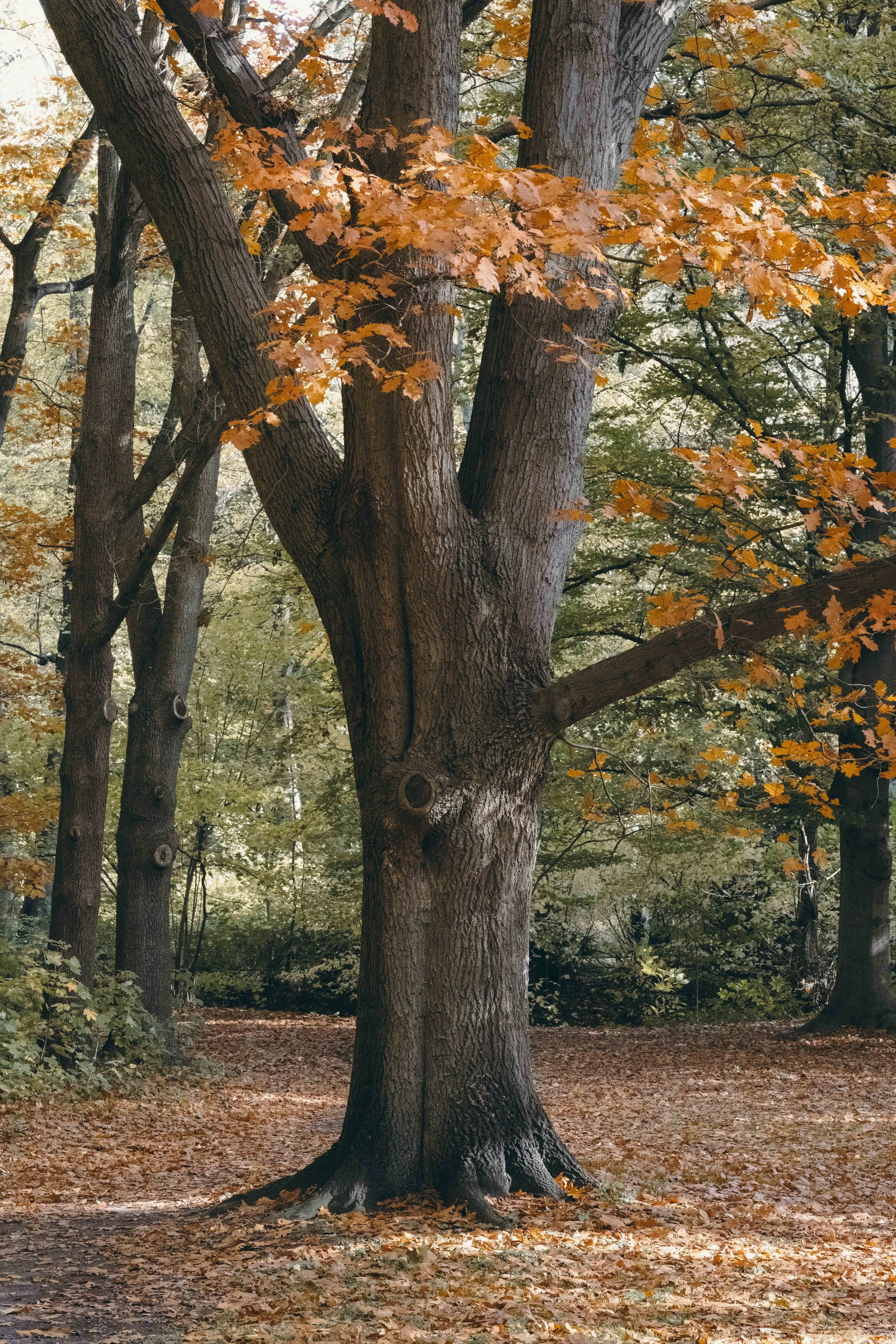
From the 47 images in total that I took with the Nikon Z7 II, these are the ones I like the most. Beautiful autumn trees.

Disappointment
The defining moment came during a trip to Brazil. I packed the Nikon Z7 II expecting it to be my primary camera. I took exactly zero photos with it.
Yes, I took an amazing camera from a technical perspective with me, on a country full of photographic opportunities, and I managed to take zero photos. I was just not motivated to take the camera out of the bag and take photos. I ended up taking photos with my phone because I was not motivated to use the camera whatsoever. That was for me a big lesson and at the same time a revelation that this camera, despite its quality, was not the camera for me.
After I returned, whenever I wanted to photograph, I'd use my Sony. The Nikon Z7II was just sitting there on the shelf serving as paperweight.
It is needless to say that the disappointment here does not refer to the camera, but to myself. But, I couldn't just stay like that forever. Therefore, I acted upon it, even though I'd lose some money on this action, and decided to sell the Nikon Z7II kit. This way, maybe it will land in someone else’s hands and will find its destiny. For me, it clearly didn't work, and I am relieved to have taken the attitude to move forward, assume that I was not happy with it and sell it.
Lesson Learned
Just 47 photos later, the Nikon Z7 II taught me that buying new gear does not automatically create inspiration. Sometimes we buy equipment hoping it will solve a creative problem that actually has nothing to do with the equipment itself.
YouTube video explaining the reasons why I sold my Nikon Z7 II.
