I Think I'm Getting Better at Photography (And That's the Problem)
Today I went out to take some photographs.
I waited until late afternoon, hoping for softer light. Summer has arrived in Berlin, and I thought the evening sun might create the kind of atmosphere I enjoy photographing. I packed my camera and tripod and headed out.
Almost immediately, I became annoyed with the tripod.
It felt heavy, awkward, and more complicated than necessary. I carried it anyway, convincing myself that I might need it. In the end, it did nothing except add weight to my shoulder and remind me how much I dislike carrying it.
The light wasn’t what I hoped for, either.
Between five and six in the afternoon, the sun was still strong and harsh, not quite the golden glow I had imagined when I left home.
My goal was simple: Take a few architectural photos.
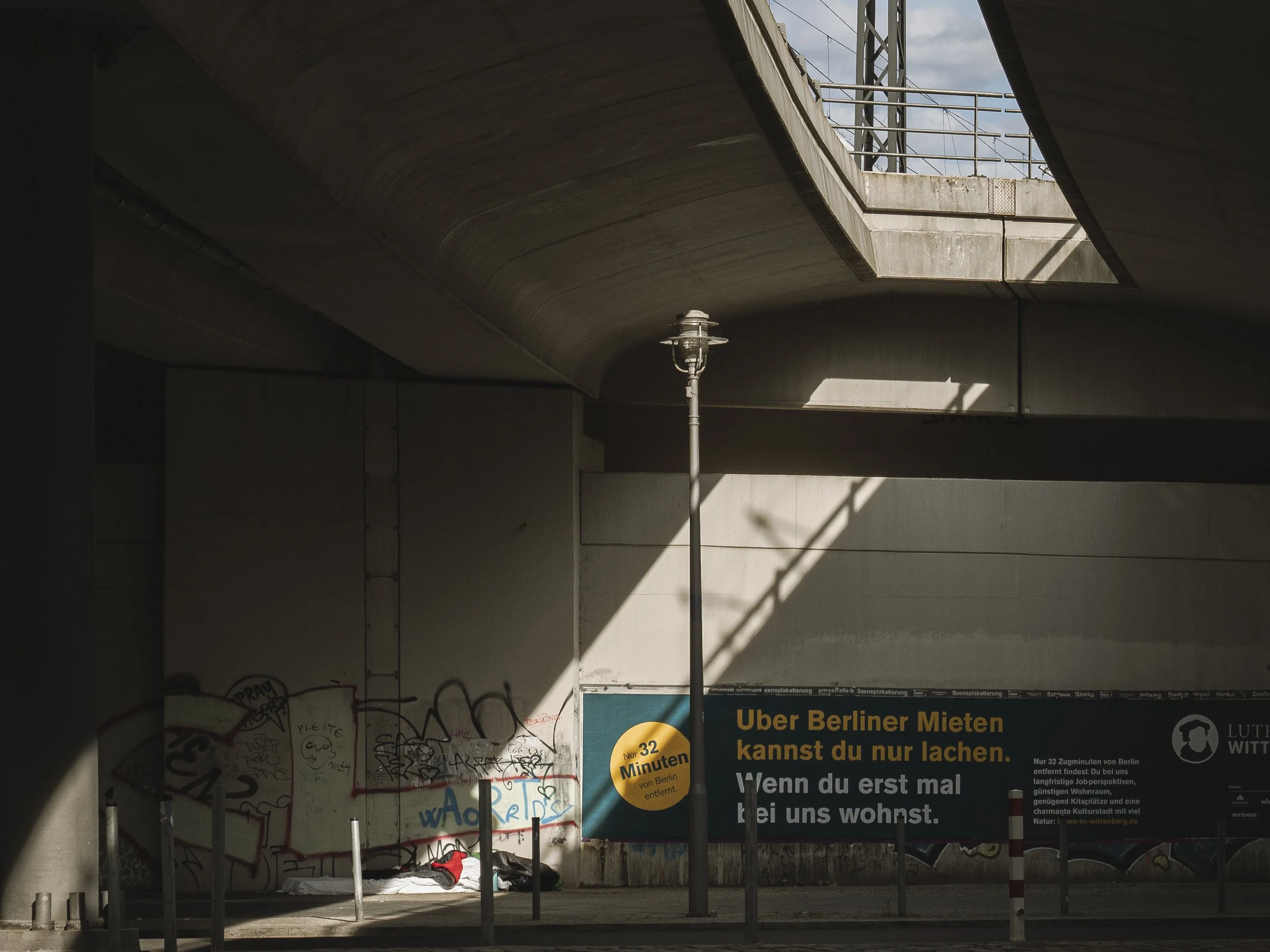
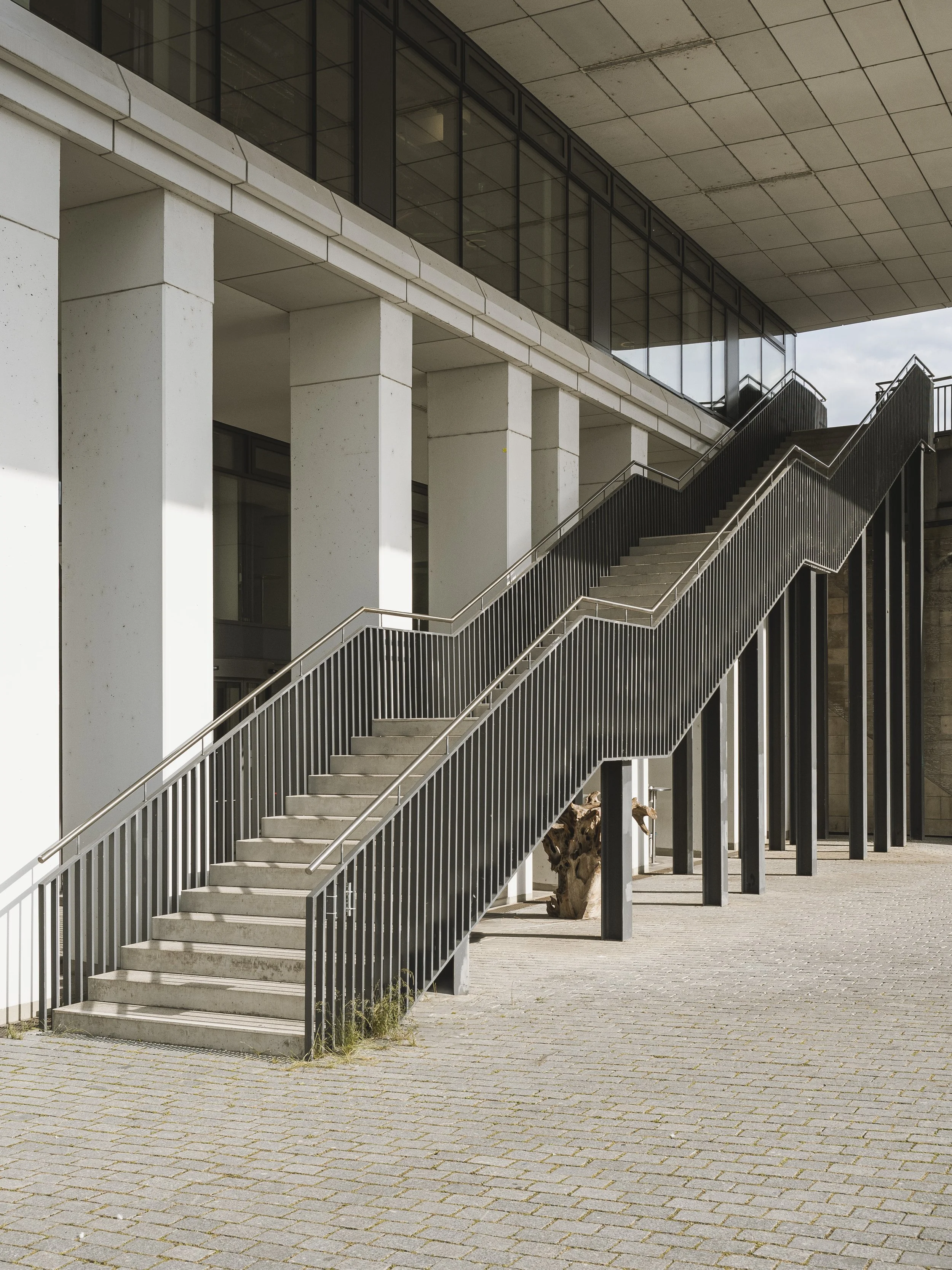
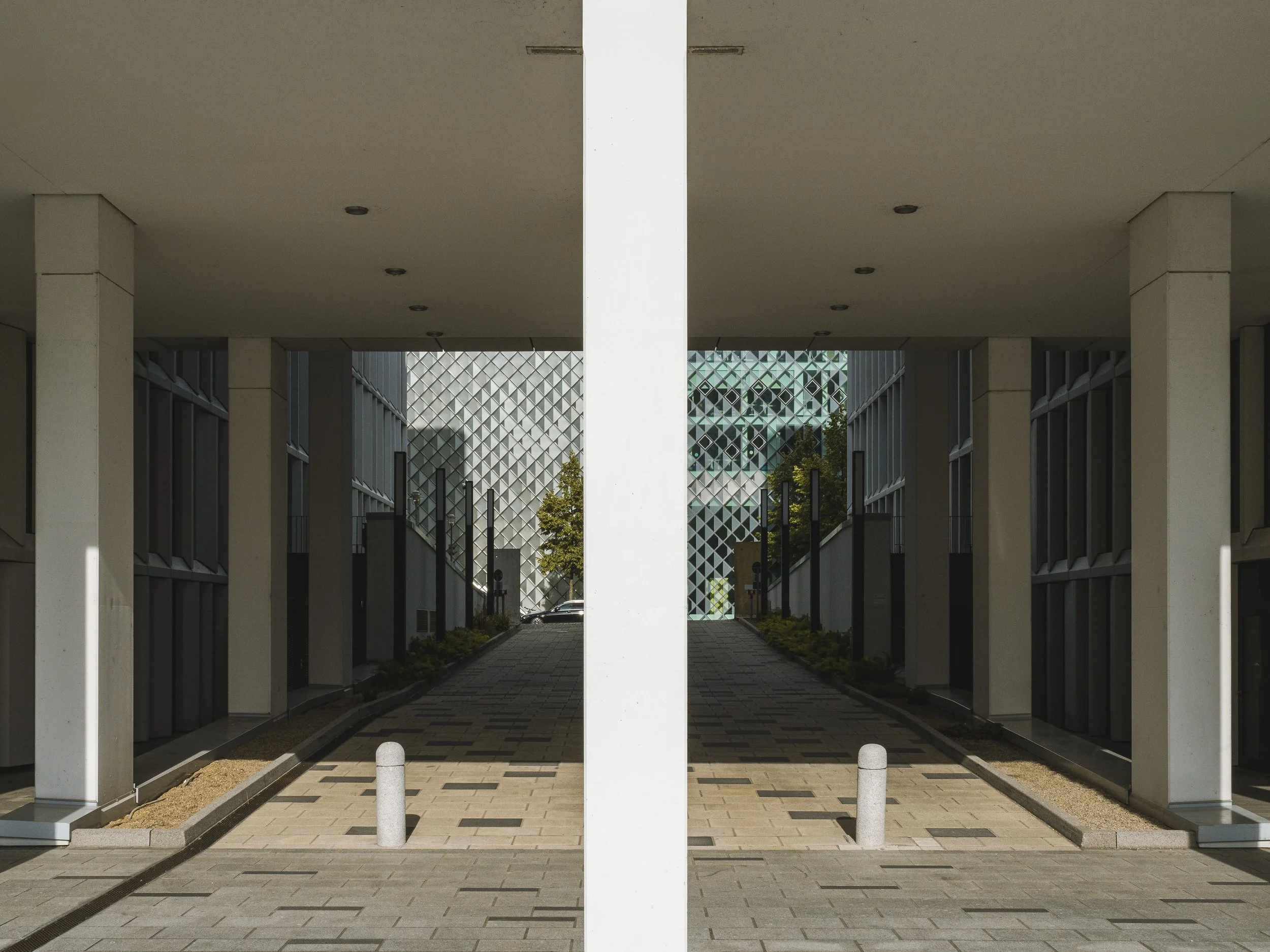
As I walked through the city, I found myself drawn to interesting buildings, but every scene seemed to come with a problem attached. A beautiful facade hidden behind trees. A striking building interrupted by traffic signs. Interesting lines competing with parked cars, construction barriers, and other distractions.
I took a few photographs, but if I’m honest, I returned home feeling slightly disappointed.
The images weren’t what I had hoped to create. The photographs in my mind felt stronger than the photographs on my memory card.
Still, there was one positive thing: I enjoyed the walk.
And after thinking about the experience, I realized something important.
There is a stage in learning photography where your ability to critique images develops faster than your ability to create them.
In the beginning, everything feels exciting. You see an interesting subject, press the shutter, and think:
“That’s a great photograph.”
Months or years later, you look at the same image and notice things you never saw before. The vertical lines aren’t straight. The composition feels cluttered. The light isn’t helping the subject. A distracting object pulls attention away from the main scene.
The photograph hasn’t changed. You have.
This creates a strange and often frustrating situation. Your eye becomes more sophisticated than your technique. You can clearly see what’s wrong, but you don’t yet know how to solve every problem.
You begin noticing distractions that once went completely unnoticed. You become more sensitive to light, composition, timing, and visual balance. You start seeing the difference between the photograph you imagined and the photograph you actually made.
The gap becomes impossible to ignore.
Ironically, it can feel like regression.
You start questioning yourself:
“Why am I less satisfied with my photographs than I was a year ago?”
But the answer may be the opposite of what you think.
You are not becoming worse. You are becoming more aware.
Looking back on today’s walk, I think that’s exactly what happened.
A few years ago, I might have seen a beautiful building and simply photographed it.
Today, I saw a building, but I also saw the trees blocking part of the facade. The sign interrupting the frame. The harsh shadows. The visual clutter.
The challenge was finding order within the chaos.
And maybe that’s the lesson.
Perhaps photography isn’t always about coming home with a great image. Sometimes it’s about training your eye. Learning to notice.
Sometimes it’s about spending an evening walking through your city and understanding why a scene doesn’t work.
Every photograph I didn’t take today taught me something. Every composition revealed a skill I still need to develop.
Maybe that’s what progress actually looks like.
Not a growing collection of perfect photographs, but a growing ability to see.
Today I came home without a photograph I truly liked. But I came home seeing more than I did yesterday.
For now, that feels like enough.
